
Vinyl/PVC
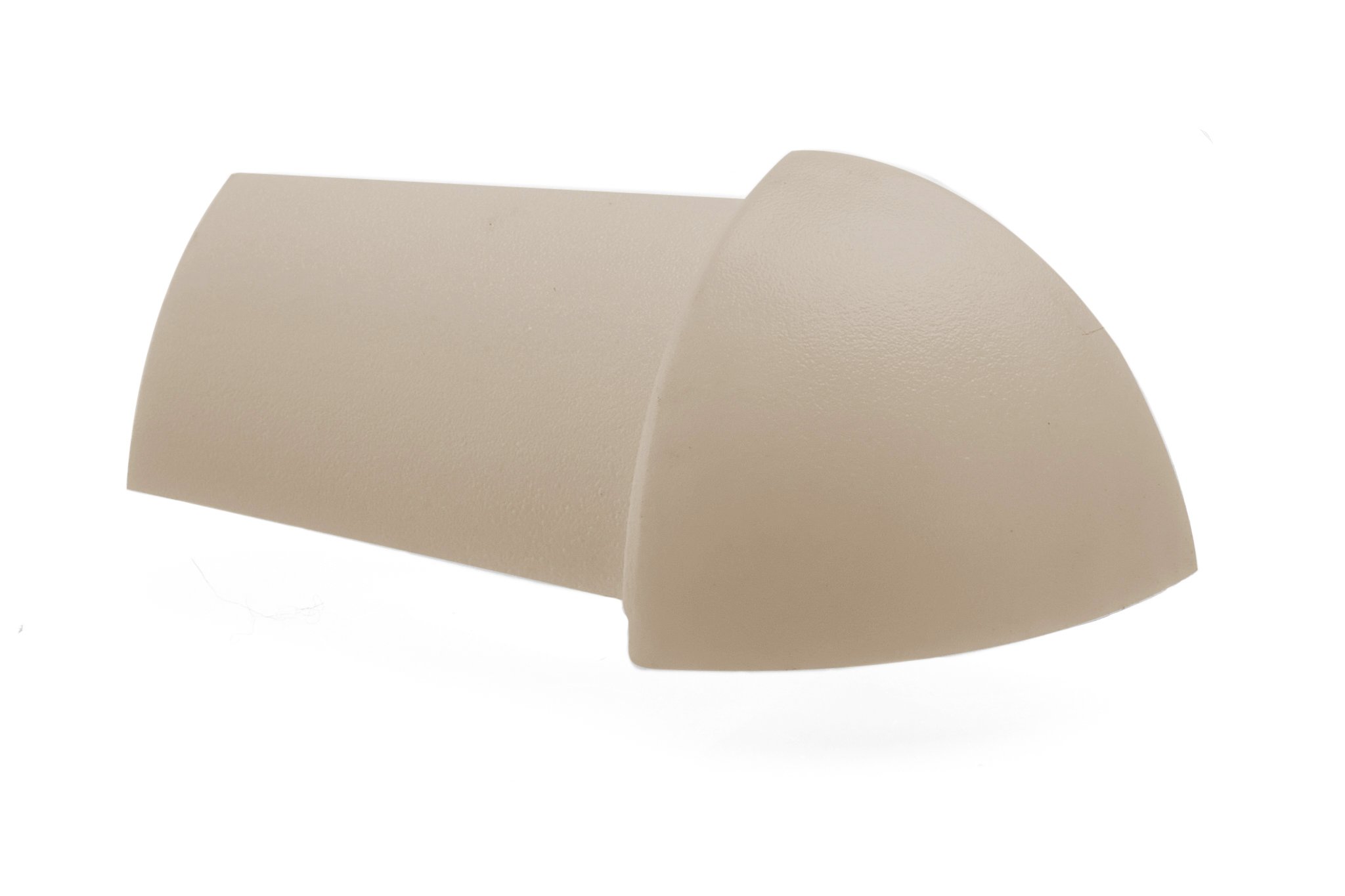
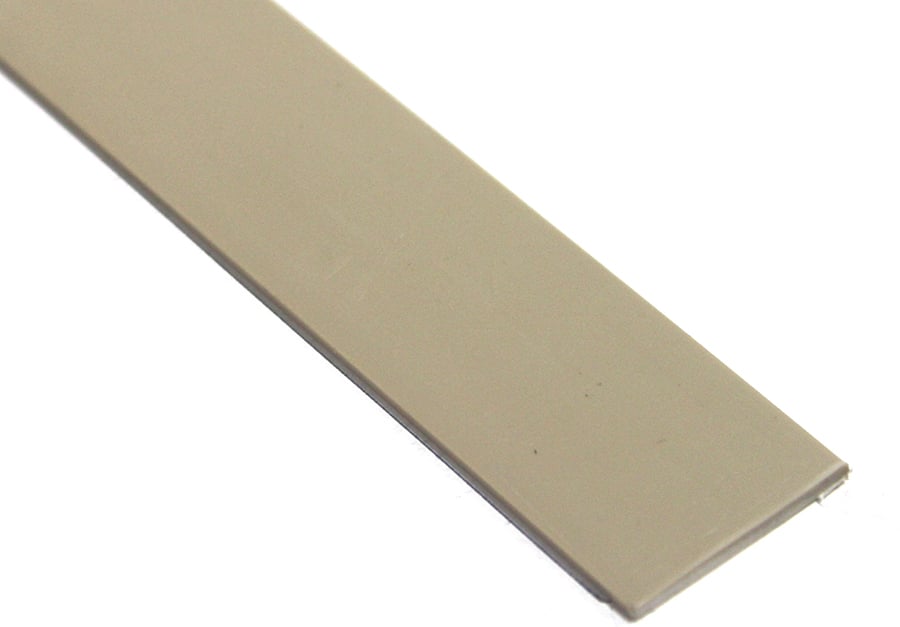
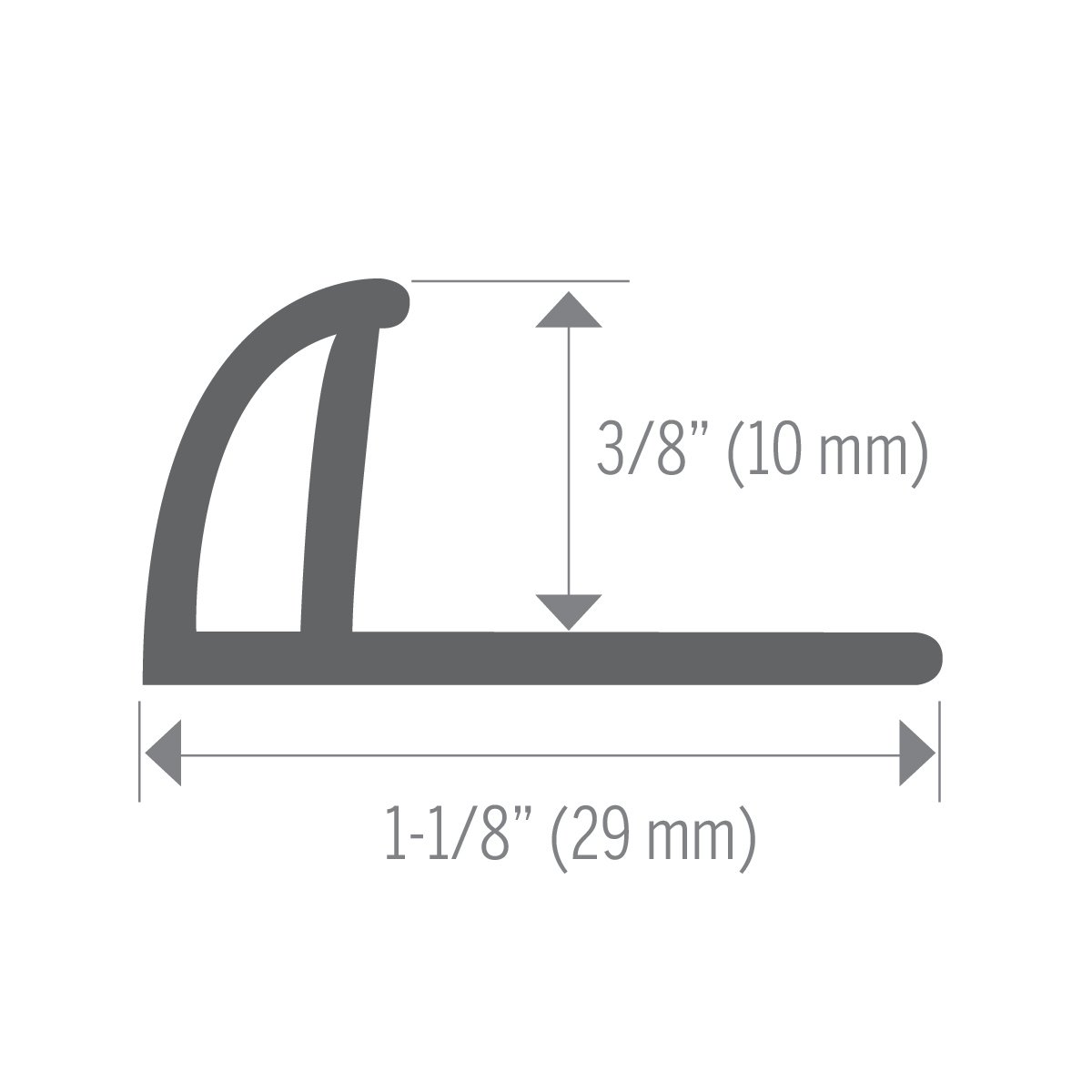
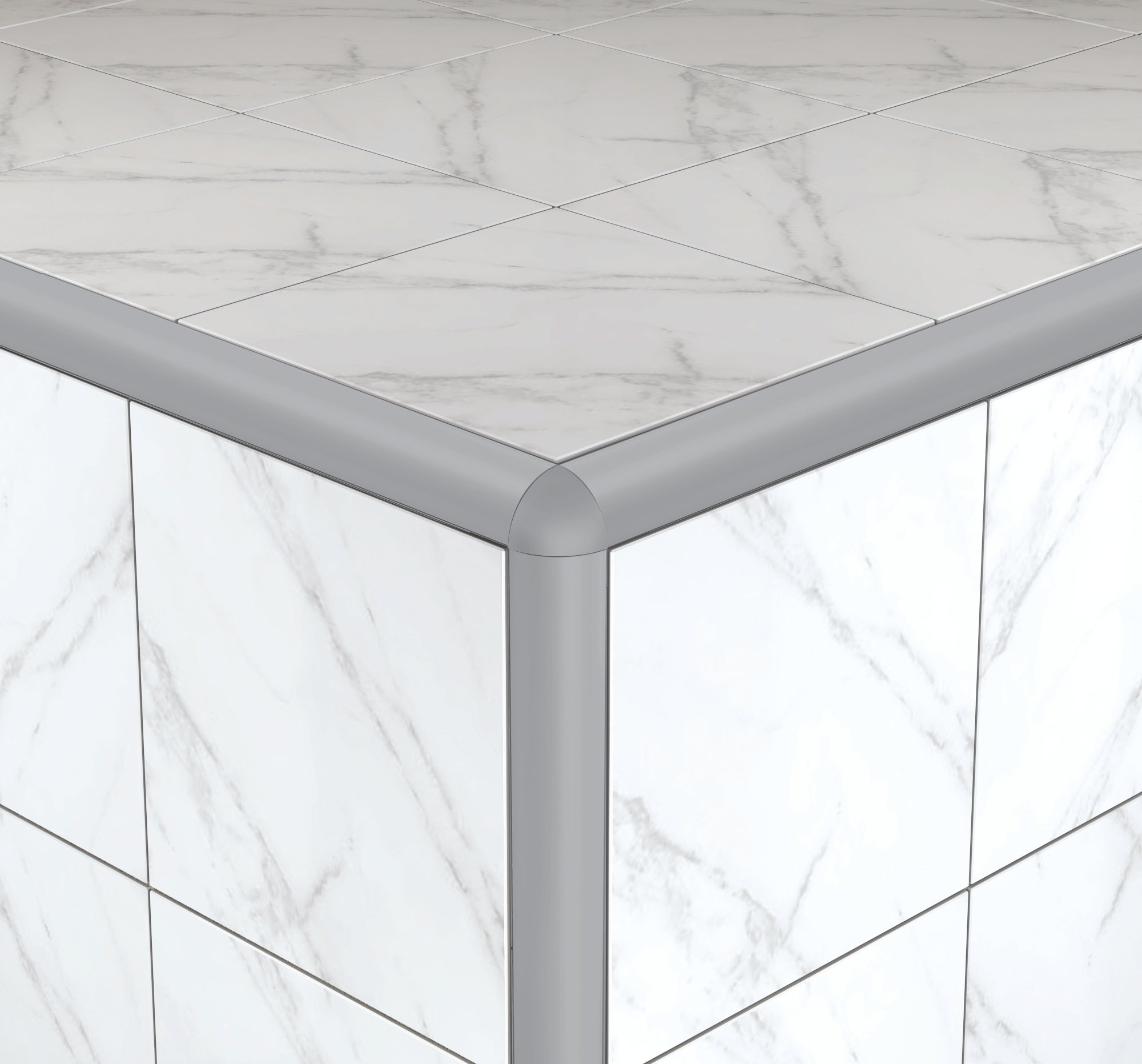
Heavy-Duty Vinyl Tile Edge – Round Outside Corner – Beige – 3/8 in. (10 mm)
Article #1952053921729
Round inside and outside corner accessories are used to finish and protect edges of tile and join two pieces of round tile edge at a 90º angle.

Ready to buy?
Find a store near you.

For Installation and Technical Specification Job Support: 1-888 MDPROVA / 1-888-637-7682

Additional Information

Product Features
  • Can be used on walls, countertops, and backsplashes
  • Prevents tiles from chipping
  • Outside corner

Why should tile trims be used? Tile trims are used to protect the edge of the tile from chipping and foot traffic. In flooring applications, they act as transitions from one flooring surface to another. Trims can be used as decorative edges and/or listello boarders. They provide protection, function and design.

Should I use the same size trim as the thickness of my tile? No. The trim should be sized such that the tile is flush with the top edge of the trim when installed with tile adhesive. You must take the tile adhesive thickness into consideration when choosing the size of trim to be used.

Should tape be used on tile trim to protect it during the grouting process? The installer should be diligent about wiping any excess grout from the trim immediately during install. Tape on trim can cause issues if grout gets underneath it.

Are your tile trims ADA compliant? Some are compliant. Any change in height of a 1/4" or under meets code. Any change in height between 1/4" to 1/2" with a rise of 1:2 meets code. Any height over a 1/2" is treated as a ramp which is 1:12.

How are tile trims installed? Using tile adhesive at the same time the tile is installed. The top of the trim should be flush with top of the tile. Trim normally should not “cap” tile and instead butt-to tile.

How are tile trims packaged? They are packed in 8’ or 12’ long corrugate tubes with metal end caps.

Why is there a shade variation on the profile finishes, and what should be done to prevent a problem before installation? All finishing processes including anodizing, bright dipping, and powder coating are subject to shading and/or mottling. If you are working on an area where trims will be placed near each other, be sure to choose individual trims where the range of differences are minimized. Keep in mind that normal finish tolerances are not usually visible unless the trims are viewed side by side.

Are custom or special colors available? Yes, however, minimum quantities and extra charges may apply and will vary based on the profile and color required. Call your customer service representative.

What is the best way to cut a tile trim? Aluminum can be cut with a saw blade intended for use with non-ferrous metals. It makes a fast-straight cut. It may leave a burr on the bottom side but can be removed with a sharp knife or metal file. Stainless steel is very hard material and will turn blue on the ends if there is too much heat. The finer the blade, the less friction is caused. Use a saw blade specifically designed for use with steel or ferrous metals. There will be some burring, which can be removed with a grinding wheel. Remember, safety is a must. You should protect your hands, eyes and ears with proper equipment. The blade guard should never be removed.

Got questions or unique project needs?
We’d love to chat with you!

Got questions or unique project needs?
We’d love to chat with you!